Empower your young scholar with our family guide to supporting early readers at home. Learn how to use familiar books to spark a lifelong love of reading.
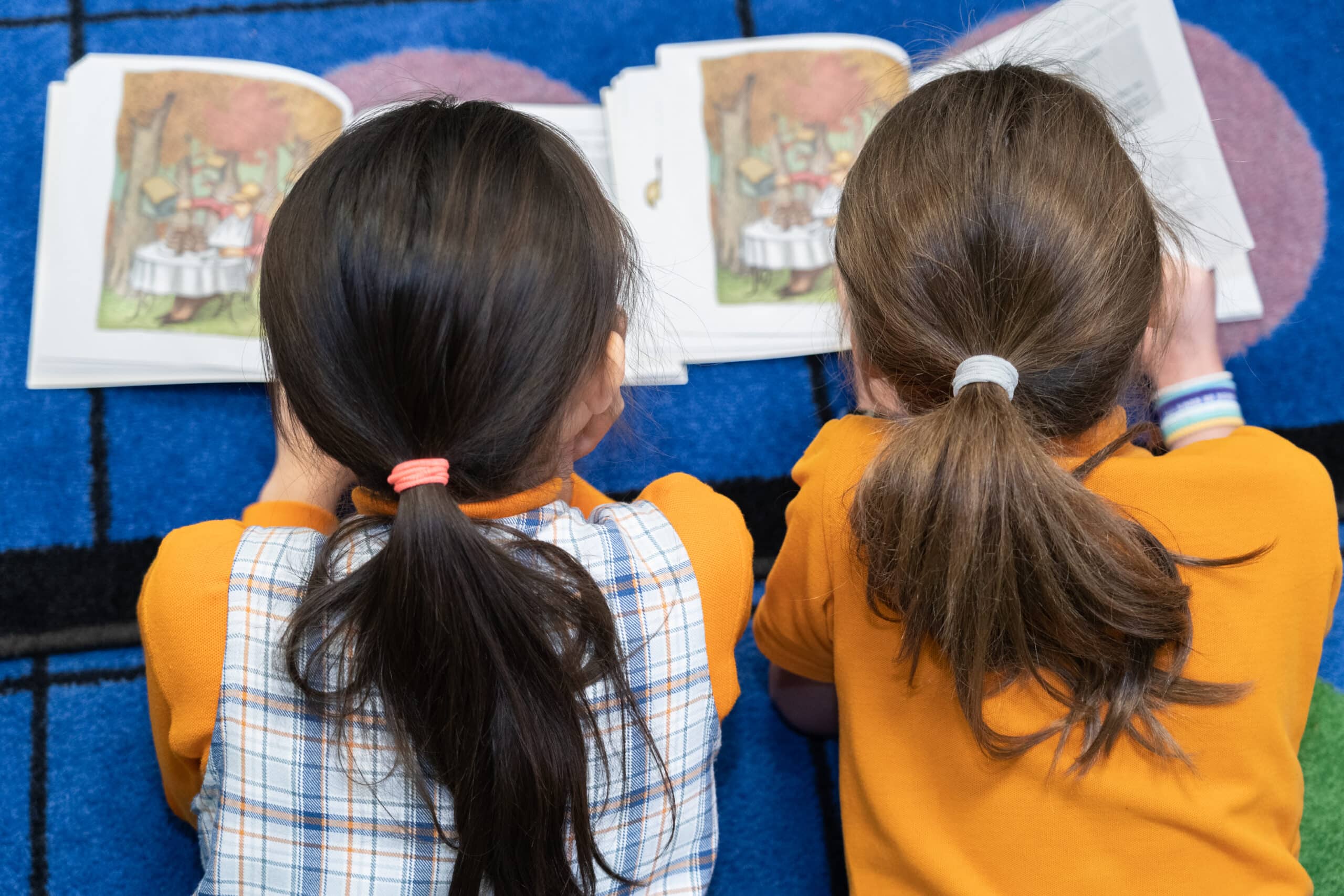
We all know that book—the one you’ve read to your child so many times you could practically recite it from memory. While it might feel simply repetitive, these familiar books are actually one of the most powerful developmental tools for building reading skills! This repetition is a key part of emergent reading, as it allows your child to internalize stories and build the confidence to “read” independently, even before they can decode every word.
Why do we use them? To ignite a love of reading! By using familiar books, scholars learn to:
How You Can Help at Home
1. Read Together Nightly Repetition is key—reading the same book many times helps them understand how stories work.
2. Focus on Storytelling, Not Just Words. It is okay if your child is not reading the text verbatim yet. Instead of correcting every word, encourage them to:
3. Ask Questions As you read together, ask questions to spark their thinking:
4. Leverage Repetitive Language Patterns
Many of our storybooks use patterned language (e.g., phrases repeated three times, like “We’re going on a bear hunt. We’re going to catch a big one!”). Pause before these familiar phrases and let your child complete them. This is a powerful way to reinforce the language and boost their reading confidence.
5. Build a Routine
"*" indicates required fields
Access a wide array of articles, webinars, and more, designed to help you help children reach their potential.
NEWSLETTER
"*" indicates required fields